how to care for silk pavada
How to Care for a Silk Pattu Pavada
A pattu pavada can be made from different fabrics and finishes, so there is no single cleaning method that suits every garment. The safest first step is to read the care label and ask the maker about the specific material. These practical habits help protect a silk or silk-look pavada, pattu langa and its decorative details between celebrations.
Practical guide from Ethnic Collections, India.
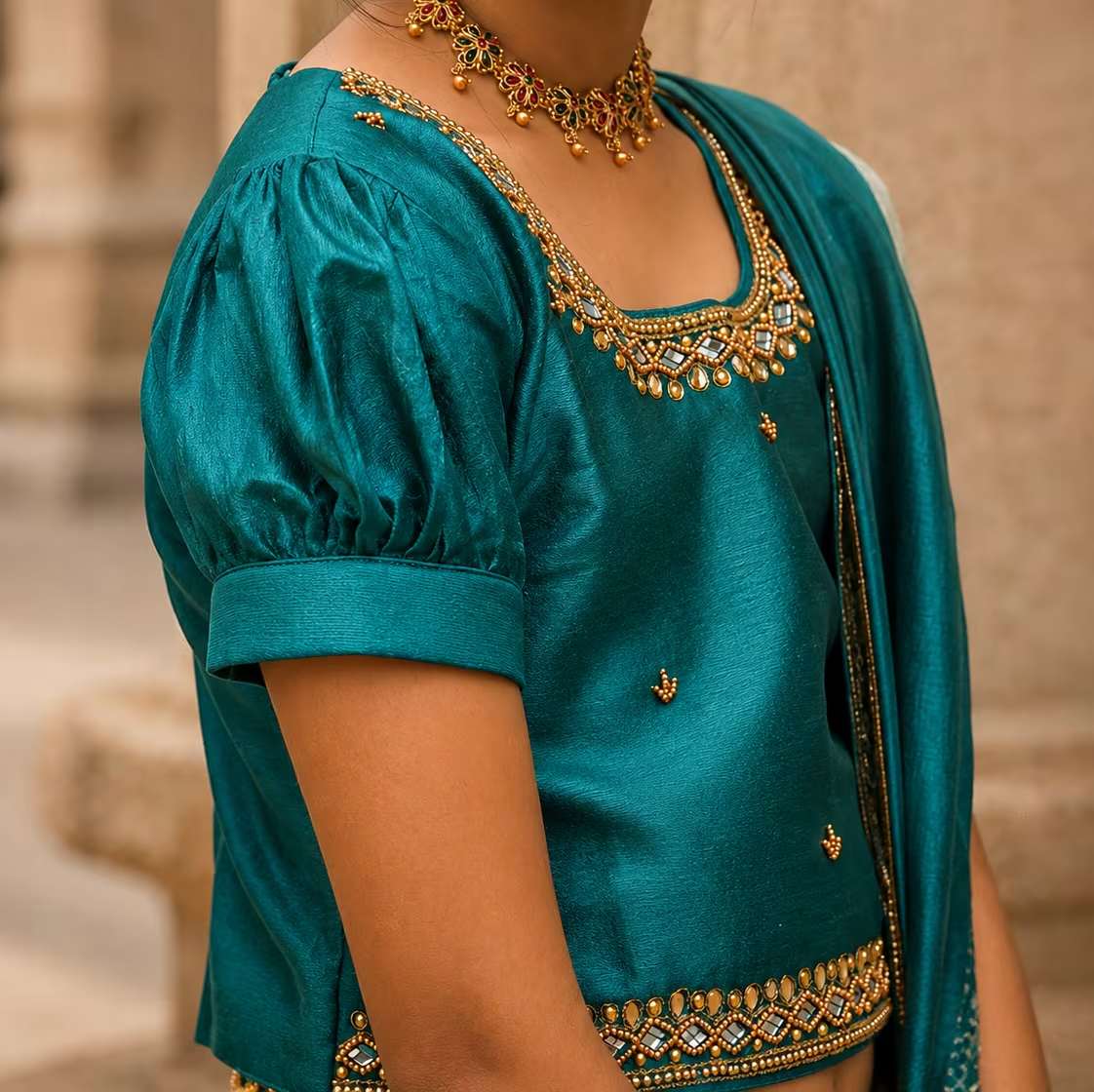
Identify the fabric before cleaning
The words pattu and silk-look are used for different products, and a garment may combine a shell fabric, lining, zari-style border, embroidery and trims. Each part can react differently to water, heat and cleaning agents. Check the sewn-in label, invoice or product details for the fibre content and care instructions. If the label is missing or unclear, contact the seller before washing. Do not assume that advice for one pattu pavadai applies to a different fabric or dye.
When buying, ask the seller how the specific garment should be cleaned and whether professional dry cleaning is recommended. Make a note of the answer and retain any tags. For delicate, lined or heavily embellished garments, the safest option may be a specialist cleaner familiar with traditional clothing. A small amount of caution at the start can prevent colour bleeding, shrinkage, damage to lining or dulling of a decorative border.
After wearing: air and inspect
After an event, remove jewellery, pins and accessories slowly so they do not catch the fabric. Check the skirt and blouse for loose threads, food marks, perspiration or moisture. Allow the outfit to air in a shaded, ventilated area until it is completely dry. Avoid direct sunlight, heaters and hair dryers, which can affect colour and fibres. Do not pack a damp garment into a plastic bag or closed storage box.
If there is a small mark, resist rubbing it with a wet cloth. Rubbing can spread a stain or damage zari and embroidery. Blotting may be appropriate for some fabrics, but first ask the maker or cleaner what is safe. Keep all cleaning products away from the garment until the fibre and dye are known. If a stain is serious, professional advice is safer than experimenting at home.
Washing and professional cleaning
Follow the garment label exactly. Some items may require professional cleaning; others may permit gentle hand washing. If hand washing is explicitly allowed, use the recommended method and test any detergent on an inconspicuous area only if the manufacturer says testing is suitable. Avoid bleach, strong stain removers, soaking for long periods and wringing. These can affect colour, shape, lining, stitching and surface decoration. Do not mix the outfit with other garments that may bleed dye.
For a lined pattu langa or a set with a decorative blouse, consider whether the pieces need separate treatment. The skirt may be heavy when wet, and pulling it can distort seams or pleats. Do not machine wash or tumble dry unless the care label clearly permits it. When in doubt, pause and contact the seller or a qualified cleaner. The cost of professional care is often preferable to risking damage to a cherished festive outfit.
Protect zari, embroidery and borders
Decorative borders and embroidery can snag on rough surfaces, zippers, hooks and jewellery. Store the outfit separately from items that have sharp edges. When folding, place a clean, soft layer between heavily decorated sections if recommended by the maker. Avoid pressing a hot iron directly onto zari, beads or motifs. If pressing is allowed, use the fabric's stated temperature and a protective cloth, or ask a professional to finish it.
Inspect seams and embellishments before putting the garment away. If a thread is loose, do not pull it; secure it gently or ask a tailor who understands decorative garments. Avoid hanging a heavy skirt by a weak loop for long periods, as its weight may stretch the fabric. Follow the garment construction and maker's guidance when deciding whether to fold or hang it.
Store the outfit clean, dry and breathable
Store the pattu pavada only after it is fully clean and dry. Use a clean, breathable garment bag or cotton cover and keep the outfit away from damp walls, direct sunlight and strong odours. Avoid sealed plastic for long-term storage because trapped moisture can encourage mildew. Choose a cool, dry cupboard and do not place heavy items on top of embroidered or zari sections. Keep the skirt, blouse and matching drape together, but separate delicate trim with soft cloth if needed.
For long storage, inspect the garment periodically and refold it along a different line to reduce stress on creases. Use moth protection only according to its label and keep chemicals from touching the fabric. If the garment has metal or delicate embellishment, ask a professional about the best storage method. Before the next occasion, air it and inspect the closures, hem and lining well ahead of time.
Travel and event-day handling
For travel, fold the outfit carefully with clean tissue or soft cloth, and place it in a dry garment bag. Keep heavy accessories in a separate pouch so they do not press into the fabric. If the journey is long, unpack the set at arrival and let it breathe. Do not leave it in a hot vehicle or in direct sun. A caregiver can carry a small cloth bag for pins and accessories so they are not stored loose against the pavada.
During the event, avoid placing the skirt on wet floors or rough surfaces. Take care around food, candles, lamps and decorative seating. For young children, a change of clothes can keep the festive outfit clean after photographs. If a spill happens, do not use a household cleaner; note what caused it and consult the care label or a professional. Prompt, informed care is better than a rushed treatment.
Care begins when you buy
Before purchasing, ask for the fabric composition, lining details and care method for the exact design. Check whether embellishments are stitched, woven or attached separately. Save the product description and instructions with your receipt. If buying a gift, include the care information for the recipient. This is useful whether the garment is called a pattu pavada, pattu langa, pattu pavadai or half-saree set.
Families can browse the girls' pattu pavada collection and ask about fabric or care before ordering. Boutiques can discuss product specifications and repeat-order details through wholesale supply. Ethnic Collections serves customers across India. For care advice about a particular item, share its product details on the contact page rather than relying on a generic washing rule.
Quick care checklist
Read the care label; identify the actual fabric; ask before using water or detergent; air the garment in shade after wearing; keep zari away from friction and direct heat; store it completely dry in a breathable cover; and arrange professional care when the instructions call for it. Never assume that all festive fabrics respond in the same way. These simple steps help protect colour, shape, lining and decorative details.
A well-kept outfit can be worn again, passed along or saved as a family keepsake. Its long-term condition depends on the material and construction, so maker-specific guidance should always take priority. If any care instruction is missing, ask before acting. A few minutes of checking can preserve the garment and make preparing for the next celebration much easier.
Frequently asked questions
Can I wash a silk pattu pavada at home?
Only if the garment's care label or maker says home washing is suitable. Fabric, dye and embellishments vary; ask before cleaning.
How should I store a pattu pavada after a festival?
Store it fully dry and clean in a breathable cover, away from direct sun, dampness and heavy objects. Follow the maker's care instructions.
Can I iron a zari border?
Do not apply a hot iron directly to zari or embellishments. Check the care label and ask a professional about safe pressing.
Ethnic Collections serves customers across India. Explore pattu pavada for girls or learn about wholesale pattu pavada.